
Imatinib Mesylate 400mg: Uses, Strength, Storage and Prescription Notes
Imatinib Mesylate 400mg is a prescription-only medicine used in specific cancers and blood disorders where abnormal tyrosine kinase activity helps diseased cells grow. It is best known as a targeted therapy for Philadelphia chromosome-positive chronic myeloid leukemia, often shortened to Ph+ CML, and for certain gastrointestinal stromal tumors, often shortened to GIST. It is not a general wellness product, pain medicine, antibiotic, or over-the-counter supplement.
The 400mg strength is one of the standard tablet strengths used in clinical practice, but the right daily dose depends on the diagnosis, treatment stage, laboratory results, other medicines, organ function, and the prescribing doctor’s plan. Patients should never start, stop, increase, reduce, split, crush, or combine imatinib treatment unless their healthcare professional has clearly instructed them to do so. DailyMed notes that imatinib mesylate tablets are available in 100mg and 400mg strengths, and that prescribed doses should be taken orally with a meal and a large glass of water.

What Is Imatinib Mesylate?
Imatinib mesylate is the salt form of imatinib, a medicine in a class called kinase inhibitors. These medicines work by blocking certain abnormal proteins or signaling pathways that can help cancer cells grow and multiply. MedlinePlus describes imatinib as a kinase inhibitor that blocks the action of an abnormal protein in cancer cells, helping slow or stop the spread of cancer cells.
Imatinib is often associated with the brand name Gleevec, also known as Glivec in some markets. Generic imatinib mesylate products may be available in different countries, but the exact approved product, manufacturer, packaging, appearance, and dispensing rules can vary by region. For any prescription medicine, patients should check the label, patient information leaflet, and pharmacist instructions supplied with their exact product.
What Is Imatinib Mesylate 400mg Used For?
Imatinib mesylate is approved for several specific conditions. According to the U.S. National Cancer Institute, imatinib mesylate is FDA-approved for uses including Ph+ acute lymphoblastic leukemia, Ph+ chronic myelogenous leukemia, certain KIT-positive gastrointestinal stromal tumors, dermatofibrosarcoma protuberans, chronic eosinophilic leukemia or hypereosinophilic syndrome, myelodysplastic/myeloproliferative neoplasms with abnormal PDGFR genes, and certain cases of aggressive systemic mastocytosis.
Chronic Myeloid Leukemia
One of the most widely known uses of imatinib is in Philadelphia chromosome-positive chronic myeloid leukemia. In this disease, an abnormal genetic change creates a protein signal that can drive uncontrolled growth of white blood cells. Imatinib was developed to target this abnormal signaling pathway and became a landmark example of targeted cancer therapy.
For adult patients with chronic phase Ph+ CML, DailyMed lists 400mg per day as a recommended dose in the prescribing information. For accelerated phase or blast crisis CML, different recommended doses may apply, and dose increases may be considered only under specific clinical circumstances.
Gastrointestinal Stromal Tumor
Imatinib is also used in certain gastrointestinal stromal tumors, especially when the tumor is KIT-positive and cannot be removed by surgery, has spread, or is being treated after surgery in appropriate adult cases. The exact treatment plan depends on tumor biology, risk category, surgical history, and oncology review. NCI includes KIT-positive GIST among the approved cancer uses for imatinib mesylate.
Other Approved or Specialist Uses
In addition to CML and GIST, imatinib may be used for selected blood disorders and rare tumors where specific molecular markers are present. Examples include certain PDGFR-related disorders, hypereosinophilic syndrome, chronic eosinophilic leukemia, and dermatofibrosarcoma protuberans. These are specialist indications, so patients should not assume that imatinib is appropriate unless testing and clinical evaluation support its use.
How Does Imatinib Work?
Imatinib is a targeted cancer drug called a tyrosine kinase inhibitor. Tyrosine kinases are signaling proteins that help cells communicate and grow. In some cancers, abnormal tyrosine kinase activity becomes part of the disease process. Cancer Research UK explains that imatinib blocks different tyrosine kinases depending on the type of cancer being treated.
This targeted mechanism is why imatinib is not chosen simply by cancer name alone. Doctors often consider genetic or molecular findings, such as Philadelphia chromosome status, KIT positivity, PDGFR rearrangements, or other relevant markers. The same medicine can be useful in different diseases because different abnormal kinase signals may be involved.
Understanding the 400mg Strength

The phrase “Imatinib Mesylate 400mg” refers to a tablet strength, not a universal dose for every patient. A 400mg tablet may be used once daily in some treatment plans, while other plans may require a different dose, a different schedule, or a different strength. DailyMed states that 400mg or 600mg doses are administered once daily, while 800mg daily is administered as 400mg twice daily.
In adult chronic phase CML, 400mg per day is commonly referenced in prescribing information. In other indications, the recommended dose may be 100mg, 400mg, 600mg, 800mg, or another individualized dose depending on diagnosis and clinical situation. For pediatric patients, dosing may be based on body surface area and should not exceed specified limits unless directed by a specialist.
Patients should also understand that dose adjustments may happen during treatment. A doctor may reduce, interrupt, or increase therapy based on blood counts, liver tests, kidney function, response to treatment, drug interactions, and side effects. MedlinePlus notes that doctors may increase or decrease the dose depending on how the medicine works and what side effects occur.
How Is Imatinib Usually Taken?
Imatinib is taken by mouth. It should generally be taken with food and a large glass of water to reduce stomach irritation. MedlinePlus states that imatinib is taken with a meal and a large glass of water once or twice daily, usually around the same time each day.
Tablets should usually be swallowed whole. Patients should not chew or crush them. If swallowing is difficult, the prescribing information describes dispersing the tablet in water or apple juice and drinking the mixture immediately after the tablet fully disintegrates. For a 400mg tablet, DailyMed describes using approximately 200mL of water or apple juice.
If a dose is missed, patients should follow the advice given by their doctor or pharmacist. MedlinePlus advises not taking a double dose to make up for a missed one.
Storage: How Should Imatinib Mesylate 400mg Be Kept?
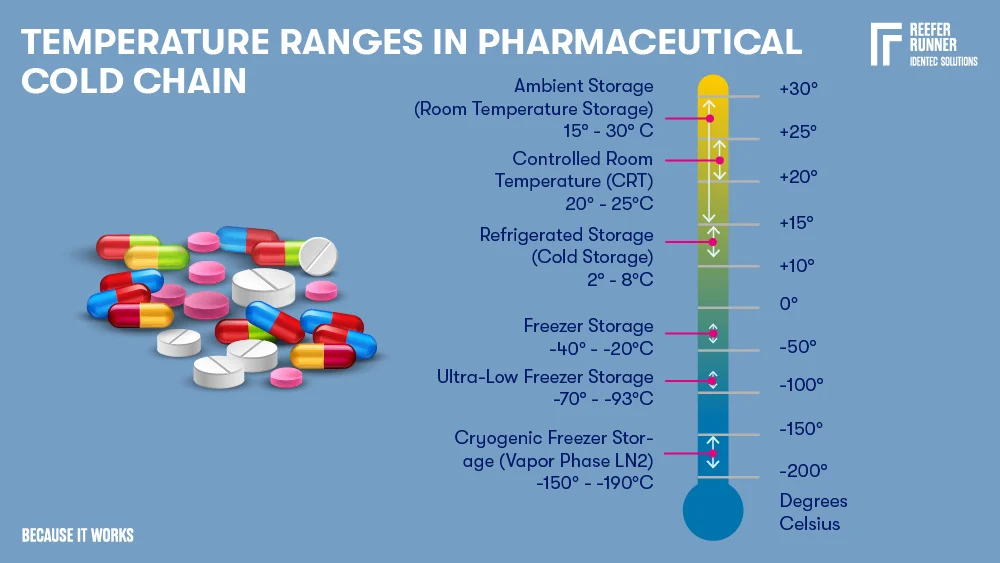
Correct storage matters because heat, moisture, damaged packaging, or unsafe handling can affect medicine quality and household safety.
DailyMed storage instructions state that imatinib mesylate tablets should be stored at 25°C, with excursions permitted between 15°C and 30°C, protected from moisture, and dispensed in a tight container.
For practical home storage, patients should keep the medicine:
- In the original container unless a pharmacist provides different instructions
- Tightly closed after each use
- Away from bathrooms, sinks, kitchens with high humidity, and direct sunlight
- Away from excess heat and moisture
- Out of reach and sight of children and pets
- Separate from non-prescription supplements or unrelated medicines to avoid mix-ups
MedlinePlus also advises storing imatinib in the container it came in, tightly closed, at room temperature, away from excess heat and moisture, and out of reach of children.
Do not use tablets that appear damaged, wet, discolored beyond normal appearance, crumbled, or contaminated. If there is any doubt about product integrity, ask a pharmacist before taking the medicine.
Prescription Notes and Safety Reminders

Imatinib is a prescription medicine that requires medical supervision. It may affect blood counts, liver function, kidney function, fluid balance, and other body systems. Cancer Research UK notes that patients usually have blood tests before and during treatment to check blood cells and how the liver and kidneys are working.
Important Points to Discuss With a Doctor
Before taking imatinib, patients should tell their healthcare provider about:
- All prescription medicines
- Over-the-counter medicines
- Vitamins, minerals, and supplements
- Herbal products
- Liver, kidney, heart, lung, thyroid, blood pressure, or diabetes history
- Pregnancy plans or current pregnancy
- Breastfeeding
- Upcoming surgery or dental procedures
- Previous allergic reactions to medicines
MedlinePlus specifically warns that medicines, supplements, and herbal products can interact with imatinib, and it mentions St. John’s wort and iron supplements as examples that should be discussed with a healthcare provider.
Food and Drink Considerations
Patients should ask their doctor or pharmacist whether they need to avoid certain foods or beverages. MedlinePlus advises not eating grapefruit or drinking grapefruit juice while taking imatinib.
This matters because grapefruit can affect enzymes involved in drug metabolism, which may change medicine levels in the body. Patients should also avoid adding supplements or herbal products without checking first.
Pregnancy and Breastfeeding
Imatinib may harm an unborn baby. MedlinePlus advises that patients should not become pregnant while taking imatinib and for 14 days after the final dose, and that breastfeeding should be avoided during treatment and for one month after the final dose.
Any patient who is pregnant, planning pregnancy, or breastfeeding should speak with their oncology team before starting or continuing treatment.
Possible Side Effects
Not every patient experiences the same side effects. Some reactions are mild, while others require urgent medical attention. MedlinePlus lists possible side effects including diarrhea, nausea, vomiting, taste changes, mouth sores, appetite loss, headache, joint pain, bone pain, muscle cramps, rash, itching, hair loss, swelling, shortness of breath, chest pain, unusual bleeding, signs of infection, and liver-related symptoms such as yellowing of the skin or eyes.
Cancer Research UK also emphasizes that patients should contact their healthcare team if side effects are severe, getting worse, or not improving, and that early treatment can help manage side effects better.
Patients should seek medical help promptly if they notice symptoms such as:
- Fever, chills, sore throat, or signs of infection
- Sudden weight gain or swelling of the face, hands, ankles, or legs
- Shortness of breath or chest pain
- Severe skin rash, blistering, or peeling
- Yellow skin or eyes
- Unusual bruising or bleeding
- Black, bloody, or tar-like stools
- Persistent vomiting or severe diarrhea
- Severe tiredness or weakness
This list is not complete. Any unusual or worrying symptom should be discussed with a healthcare professional.
Handling and Disposal Notes
Imatinib tablets should not be crushed. DailyMed states that direct contact with crushed tablets should be avoided, and if contact occurs, the area should be washed thoroughly.
Unused or expired medicine should not be thrown into household trash where children or pets may access it, and it should not be shared with another person. MedlinePlus advises using a medicine take-back program and speaking with a pharmacist about safe disposal options.
Questions Patients Should Ask Before Using Imatinib Mesylate 400mg
A patient prescribed imatinib may want to ask:
- What condition is imatinib treating in my case?
- Is my disease marker, such as Ph+ status, KIT status, or PDGFR status, relevant to this prescription?
- Is 400mg my full daily dose, or part of a different dosing schedule?
- Should I take it once daily or twice daily?
- What should I do if I vomit after taking a dose?
- What lab tests will I need and how often?
- Which side effects should I report immediately?
- Are any of my current medicines or supplements unsafe with imatinib?
- Should I avoid grapefruit, alcohol, herbal products, or iron supplements?
- How should I store and travel with this medication?
These questions help patients understand the treatment plan and reduce the risk of medication errors.
Final Takeaway
Imatinib Mesylate 400mg is an important prescription targeted therapy used in selected cancers and blood disorders, especially conditions involving abnormal tyrosine kinase signaling. The 400mg strength is clinically significant, but it does not mean every patient should take 400mg daily. Correct use depends on diagnosis, response, safety monitoring, organ function, and the prescribing doctor’s instructions.
Patients should take imatinib exactly as prescribed, usually with food and a large glass of water, store it away from heat and moisture, protect it from children and pets, avoid unsafe crushing or handling, and keep regular medical appointments for monitoring. Because imatinib can interact with other medicines and may cause serious side effects, it should only be used under professional medical supervision.
Disclaimer: This article is for general educational information only. It does not replace medical advice, diagnosis, prescription review, or treatment from a licensed healthcare professional.
Continue reading: More Cancer Drug Guidelines
Bortezomib 3.5mg Injection: Product Information and Handling Notes
Lenalidomide 10mg Capsule: Product Information and Safety Notes
Abiraterone Acetate 250mg: Product Details, Strength and Order Notes